
Building a High-Performance LMS Front-End with React & Next.js
Creating a responsive, scalable, and user-friendly learning platform from scratch.
Introduction
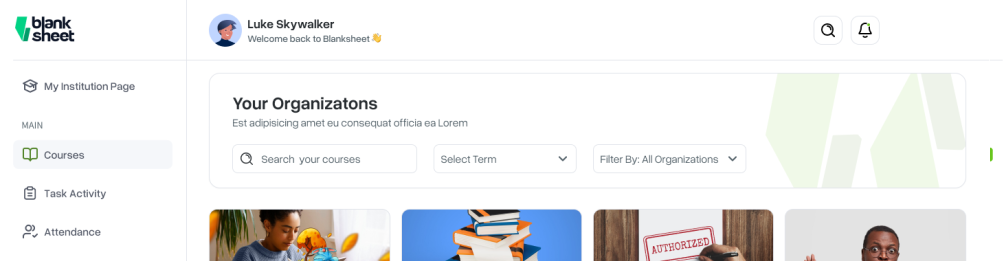
In this post, I’ll walk through how I built the front-end of BlankSheet, a modern Learning Management System, using React and Next.js. The focus was on creating a smooth, responsive interface that supports both students and institutions while keeping performance at the forefront.
Challenges
- Managing complex, dynamic content such as courses, modules, and student progress
- Maintaining fast load times while supporting rich interactivity
- Designing a responsive UI that works seamlessly across devices
- Balancing functionality and simplicity to ensure an intuitive user experience
Building a modern LMS comes with unique front-end challenges:
Tech Stack $ Tools
- Tailwind CSS – Responsive design and rapid styling
- REST APIs – Fetching dynamic course and student data
- Framer Motion (optional) – Subtle UI animations
- Vercel – Deployment and performance optimization
React + Next.js – Component-based architecture with server-side rendering for fast initial load
Implementation
Dashboard & Layout
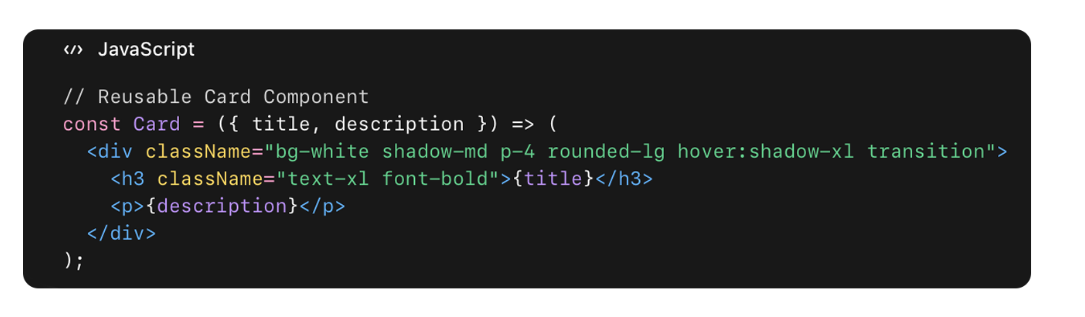
The dashboard was designed for both students and administrators. I built reusable components to display course lists, student progress, and notifications.
API Integration for Dynamic Content
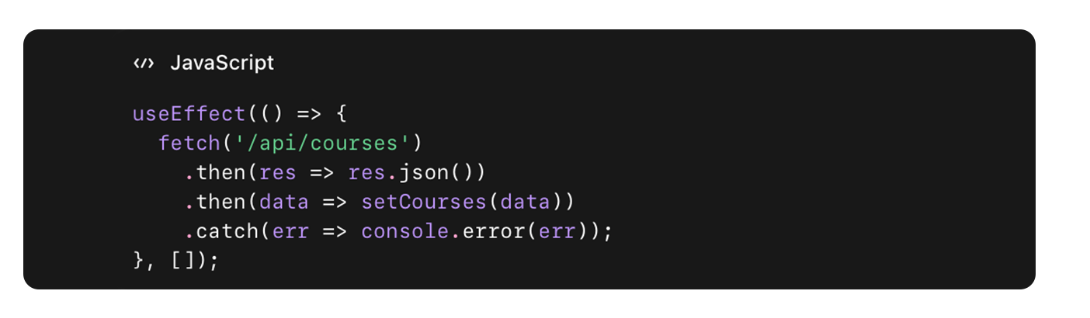
Dynamic course data and student progress were fetched from a REST API and displayed in real time.
Responsive Design & Interactions
- Expandable course modules
- Hover effects and animated buttons using Framer Motion
- Modal pop-ups for course details
React + Next.js – Component-based architecture with server-side rendering for fast initial load
Performance Optimisation
- Lazy-loading images and components
- Using Next.js SSR for faster first-page load
- Code-splitting to reduce bundle size
- Accessibility improvements for smoother navigation
Key optimizations included:
Outcome & Lessons Learned
- Learned advanced techniques in React component architecture, API integration, and responsive design
- Optimized UX and performance, making the platform feel intuitive and fast
Built a scalable, maintainable, and high-performing front-end